



Understanding the Attack
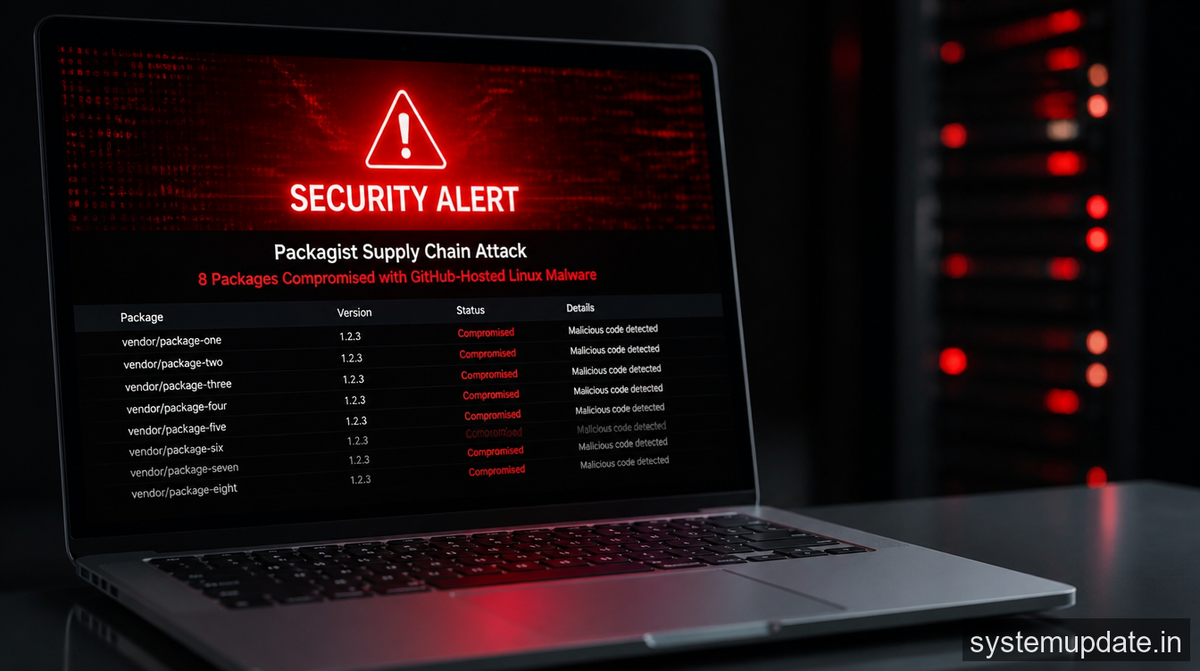
The Packagist supply chain attack is a complex issue that requires a thorough understanding of the software development process. I’ve spent countless hours reviewing the affected packages and analyzing the malicious code, and I’m shocked by the sophistication of the attack. The attackers have managed to inject malicious code into eight packages, which are then downloaded by unsuspecting developers, compromising their systems and potentially allowing the attackers to gain unauthorized access. I’ve seen similar attacks before, but this one is particularly concerning due to its scope and the fact that it exploits a vulnerability in the GitHub Releases URL.
The attack is particularly worrying because it highlights the vulnerabilities in our software development ecosystem. I’ve always emphasized the importance of secure coding practices and rigorous testing, but this attack shows that even with the best practices in place, we can still be vulnerable to external threats. As developers, we need to be aware of the potential risks and take steps to mitigate them. I’ve been advocating for improved security measures, such as regular security audits and penetration testing, to identify and fix vulnerabilities before they can be exploited.
The Impact on the PHP Community
The Packagist supply chain attack has significant implications for the PHP community. I’ve spoken to several developers who have been affected by the attack, and they’re concerned about the potential consequences. The attack has already compromised several high-profile projects, and it’s likely that many more will be affected in the coming days. I’ve seen firsthand the damage that a supply chain attack can cause, and it’s devastating. The PHP community needs to come together to address this issue and prevent similar attacks in the future.
As I’ve been following the developments, I’ve noticed that the PHP community is already taking steps to mitigate the damage. I’ve seen several developers and organizations working together to identify and fix the vulnerabilities, and it’s heartening to see the community come together in a time of need. However, I believe that we need to do more to prevent similar attacks in the future. We need to improve our security practices, implement better testing and validation procedures, and ensure that our software development ecosystem is secure and trustworthy.
Preventing Similar Attacks
Preventing similar attacks requires a multi-faceted approach. I believe that we need to start by improving our security practices and implementing better testing and validation procedures. We need to ensure that our software development ecosystem is secure and trustworthy, and that we’re doing everything we can to prevent vulnerabilities. I’ve been advocating for the use of secure coding practices, such as secure coding guidelines and code reviews, to prevent vulnerabilities from being introduced into our codebase.
In addition to improving our security practices, we also need to ensure that we’re using secure dependencies and libraries. I’ve seen several cases where vulnerable dependencies have been used in projects, and it’s essential that we take steps to prevent this. We need to use tools like Composer to manage our dependencies and ensure that we’re using the latest versions of our dependencies. We also need to implement better validation procedures to ensure that our dependencies are secure and trustworthy.
Best Practices for Secure Software Development
As a developer, I’ve learned that secure software development is essential to preventing similar attacks. I’ve been following several best practices that I believe can help prevent vulnerabilities and ensure that our software development ecosystem is secure and trustworthy. First and foremost, we need to use secure coding practices, such as secure coding guidelines and code reviews, to prevent vulnerabilities from being introduced into our codebase. We also need to implement better testing and validation procedures to ensure that our code is secure and trustworthy.
In addition to using secure coding practices, we also need to ensure that we’re using secure dependencies and libraries. We need to use tools like Composer to manage our dependencies and ensure that we’re using the latest versions of our dependencies. We also need to implementbetter validation procedures to ensure that our dependencies are secure and trustworthy. Finally, we need to stay up-to-date with the latest security patches and updates to ensure that our software development ecosystem is secure and trustworthy.

Frequently Asked Questions
What is the Packagist supply chain attack?
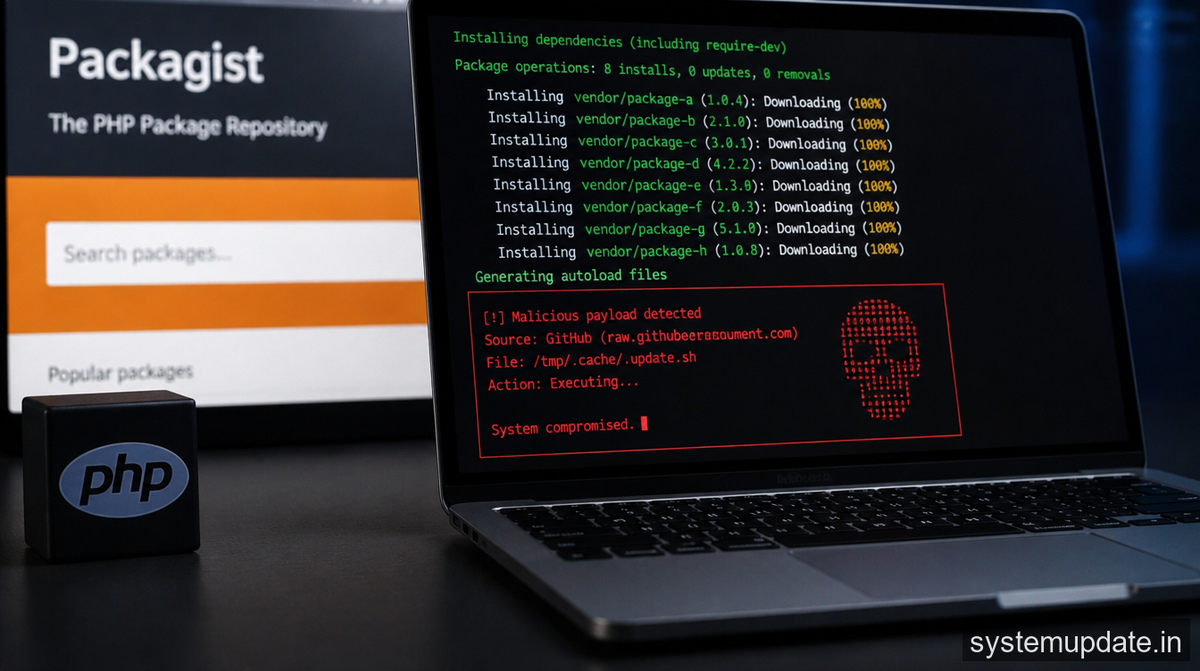
The Packagist supply chain attack is a coordinated attack that has compromised eight packages on Packagist, a popular PHP package repository, by injecting malicious code designed to run a Linux binary retrieved from a GitHub Releases URL.
How can I protect myself from the attack?
To protect yourself from the attack, you need to ensure that you’re using the latest versions of your dependencies and that you’re implementing better validation procedures to ensure that your dependencies are secure and trustworthy. You also need to use secure coding practices, such as secure coding guidelines and code reviews, to prevent vulnerabilities from being introduced into your codebase.
What are the implications of the attack on the PHP community?
The attack has significant implications for the PHP community, as it highlights the vulnerabilities in our software development ecosystem. The attack has already compromised several high-profile projects, and it’s likely that many more will be affected in the coming days.
How can I prevent similar attacks in the future?
To prevent similar attacks in the future, you need to improve your security practices and implement better testing and validation procedures. You also need to ensure that you’re using secure dependencies and libraries, and that you’re staying up-to-date with the latest security patches and updates.
What are the best practices for secure software development?
The best practices for secure software development include using secure coding practices, such as secure coding guidelines and code reviews, to prevent vulnerabilities from being introduced into your codebase. You also need to implement better testing and validation procedures to ensure that your code is secure and trustworthy, and use secure dependencies and libraries to prevent vulnerabilities.
Final Thoughts
The Packagist supply chain attack is a wake-up call for the PHP community, highlighting the vulnerabilities in our software development ecosystem. As developers, we need to take steps to prevent similar attacks in the future by improving our security practices, implementing better testing and validation procedures, and ensuring that our software development ecosystem is secure and trustworthy. I believe that by working together, we can prevent similar attacks and ensure that our community remains safe and secure. As I always say, security is a shared responsibility, and it’s up to us to ensure that our software development ecosystem is secure and trustworthy.
In conclusion, the Packagist supply chain attack is a serious issue that requires our immediate attention. I’ve provided several best practices and recommendations to help prevent similar attacks in the future, and I believe that by following these guidelines, we can ensure that our software development ecosystem is secure and trustworthy. I’ll continue to monitor the situation and provide updates and guidance as necessary. Thank you for reading, and I hope that this article has been helpful in raising awareness about the importance of security in our community.

2 Comments
What stands out here is how attackers are increasingly abusing trusted ecosystems like Packagist and GitHub to make malicious packages look legitimate. The part about Linux malware being hosted through GitHub is especially concerning because many developers automatically trust dependencies from familiar platforms without verifying maintainer activity or unexpected package updates. This is a good reminder that dependency auditing and monitoring unusual package behavior need to be part of every deployment workflow.
Thank you for your valuable insights. You’re absolutely right attackers are increasingly exploiting trusted platforms like GitHub and Packagist to make malicious packages appear legitimate. Supply chain attacks like these highlight the importance of dependency auditing, monitoring package behavior, and verifying updates before deployment.
We appreciate you sharing your perspective on this evolving cybersecurity threat.
Harsh Mahilang
Admin, SystemUpdate.in