


New Controls for a Safer Software Supply Chain
The software supply chain is a complex and often vulnerable system, with many different components and dependencies that can be exploited by attackers. One of the most significant risks is the possibility of a supply chain attack, where an attacker compromises a package or dependency and uses it to gain access to sensitive information or systems. To mitigate this risk, npm has introduced 2FA-gated publishing and package install controls, which provide an additional layer of security for package maintainers and users. I think this is a great move, as it gives us more control over who can publish and install packages, and helps to prevent unauthorized access.
The new controls work by requiring package maintainers to authenticate with 2FA before publishing a new version of their package. This ensures that only authorized maintainers can make changes to a package, and helps to prevent attackers from pushing malicious code to the registry. Additionally, package install controls allow maintainers to explicitly approve a release prior to it becoming publicly available, giving us more control over the packages we use in our projects. I’ve already started using these new controls in my own projects, and I’ve found that they’re easy to set up and use.
The benefits of these new controls are clear – by adding an extra layer of security to the software supply chain, we can help to prevent supply chain attacks and protect our sensitive information and systems. I’ve seen firsthand how devastating a supply chain attack can be, and I’m excited to have these new controls at my disposal. Whether you’re a seasoned developer or just starting out, I highly recommend checking out npm’s new 2FA-gated publishing and package install controls and seeing how they can help you safeguard your packages.
One of the things I appreciate about npm’s approach to security is that they’re always looking for ways to improve and adapt to new threats. The addition of 2FA-gated publishing and package install controls is just the latest example of this, and I’m excited to see what other security features they have in the works. As developers, we have a responsibility to prioritize security and take steps to protect our software supply chains – and with npm’s new controls, we have one more tool at our disposal.
How to Use npm’s New Controls

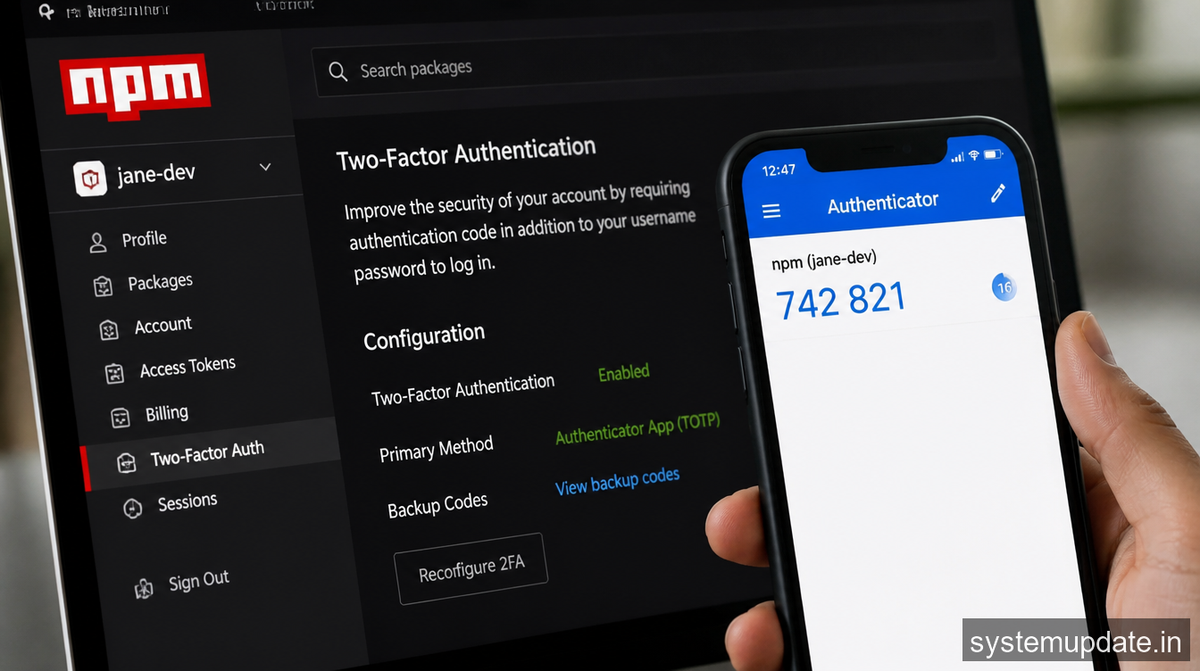
So, how do you get started with npm’s new 2FA-gated publishing and package install controls? The process is relatively straightforward, and I’ll walk you through it step by step. First, you’ll need to enable 2FA on your npm account – this will require you to authenticate with a second factor, such as a code sent to your phone or a biometric scan. Once you’ve enabled 2FA, you can start using the new controls to safeguard your packages.
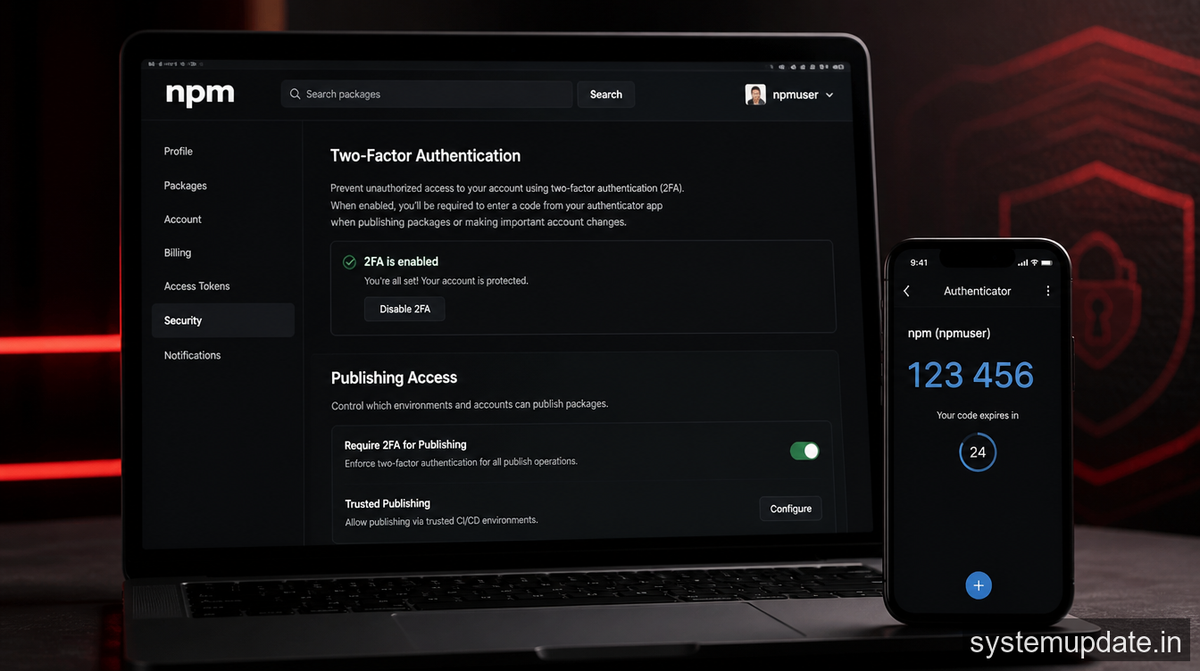
To publish a new version of a package, you’ll need to authenticate with 2FA before you can make any changes. This ensures that only authorized maintainers can make changes to a package, and helps to prevent attackers from pushing malicious code to the registry. Additionally, you can use package install controls to explicitly approve a release prior to it becoming publicly available, giving you more control over the packages you use in your projects. I’ve found that this process is easy to follow, and it gives me peace of mind knowing that my packages are more secure.
I’ve been using npm’s new controls for a few weeks now, and I’ve been impressed with how easy they are to use. The process of enabling 2FA and setting up package install controls is straightforward, and the benefits are clear – by adding an extra layer of security to the software supply chain, we can help to prevent supply chain attacks and protect our sensitive information and systems. Whether you’re a seasoned developer or just starting out, I highly recommend checking out npm’s new 2FA-gated publishing and package install controls and seeing how they can help you safeguard your packages.
One of the things I’ve noticed since enabling 2FA-gated publishing and package install controls is that it’s given me more confidence in the security of my packages. I know that only authorized maintainers can make changes to my packages, and that I have more control over the packages I use in my projects. This is especially important for projects that involve sensitive information or systems, where the stakes are high and the consequences of a supply chain attack could be severe. By using npm’s new controls, I can help to mitigate this risk and ensure that my projects are as secure as possible.
Real-World Examples of Supply Chain Attacks
To illustrate the importance of npm’s new controls, let’s take a look at some real-world examples of supply chain attacks. One of the most notable examples is the attack on the npm package “eslint”, which was compromised by an attacker who pushed a malicious version of the package to the registry. This attack highlights the risks of supply chain attacks, and the importance of taking steps to protect our software supply chains.
Another example is the attack on the Python package “pytorch”, which was compromised by an attacker who pushed a malicious version of the package to the Python Package Index (PyPI). This attack demonstrates the vulnerability of the software supply chain, and the need for developers to prioritize security and take steps to protect their packages.
These examples illustrate the importance of npm’s new controls, and the need for developers to take steps to protect their software supply chains. By using 2FA-gated publishing and package install controls, we can help to prevent supply chain attacks and protect our sensitive information and systems.
Best Practices for Securing Your Software Supply Chain
So, what can you do to secure your software supply chain and protect against supply chain attacks? Here are some best practices that I recommend:
- Use 2FA-gated publishing and package install controls to add an extra layer of security to your packages.
- Keep your dependencies up to date, and avoid using outdated or vulnerable packages.
- Use a package manager like npm or yarn to manage your dependencies, and take advantage of their security features.
- Monitor your packages for suspicious activity, and take action quickly if you notice anything unusual.
- Educate yourself and your team about the risks of supply chain attacks, and take steps to mitigate them.
By following these best practices, you can help to secure your software supply chain and protect against supply chain attacks. I highly recommend taking the time to learn more about these best practices, and implementing them in your own projects.
Conclusion
In conclusion, npm’s new 2FA-gated publishing and package install controls are an important step forward in securing the software supply chain. By adding an extra layer of security to the software supply chain, we can help to prevent supply chain attacks and protect our sensitive information and systems. I highly recommend checking out these new controls and seeing how they can help you safeguard your packages.
As developers, we have a responsibility to prioritize security and take steps to protect our software supply chains. By using npm’s new controls, following best practices, and staying educated about the latest security threats, we can help to mitigate the risks of supply chain attacks and ensure that our projects are as secure as possible. I’m excited to see what other security features npm has in the works, and I’m confident that together, we can create a more secure software supply chain.
Frequently Asked Questions
What are 2FA-gated publishing and package install controls?
2FA-gated publishing and package install controls are new security features from npm that add an extra layer of security to the software supply chain. They require package maintainers to authenticate with 2FA before publishing a new version of their package, and allow maintainers to explicitly approve a release prior to it becoming publicly available.
How do I enable 2FA on my npm account?
To enable 2FA on your npm account, you’ll need to go to your account settings and follow the instructions to set up 2FA. This will require you to authenticate with a second factor, such as a code sent to your phone or a biometric scan.
What are the benefits of using 2FA-gated publishing and package install controls?
The benefits of using 2FA-gated publishing and package install controls include adding an extra layer of security to the software supply chain, preventing supply chain attacks, and protecting sensitive information and systems.
How do I use package install controls to approve a release?
To use package install controls to approve a release, you’ll need to follow the instructions provided by npm. This will involve authenticating with 2FA and explicitly approving the release prior to it becoming publicly available.
What are some best practices for securing my software supply chain?
Some best practices for securing your software supply chain include using 2FA-gated publishing and package install controls, keeping your dependencies up to date, avoiding outdated or vulnerable packages, and monitoring your packages for suspicious activity.
