



What is the LiteSpeed cPanel Plugin CVE-2026-48172 Vulnerability?
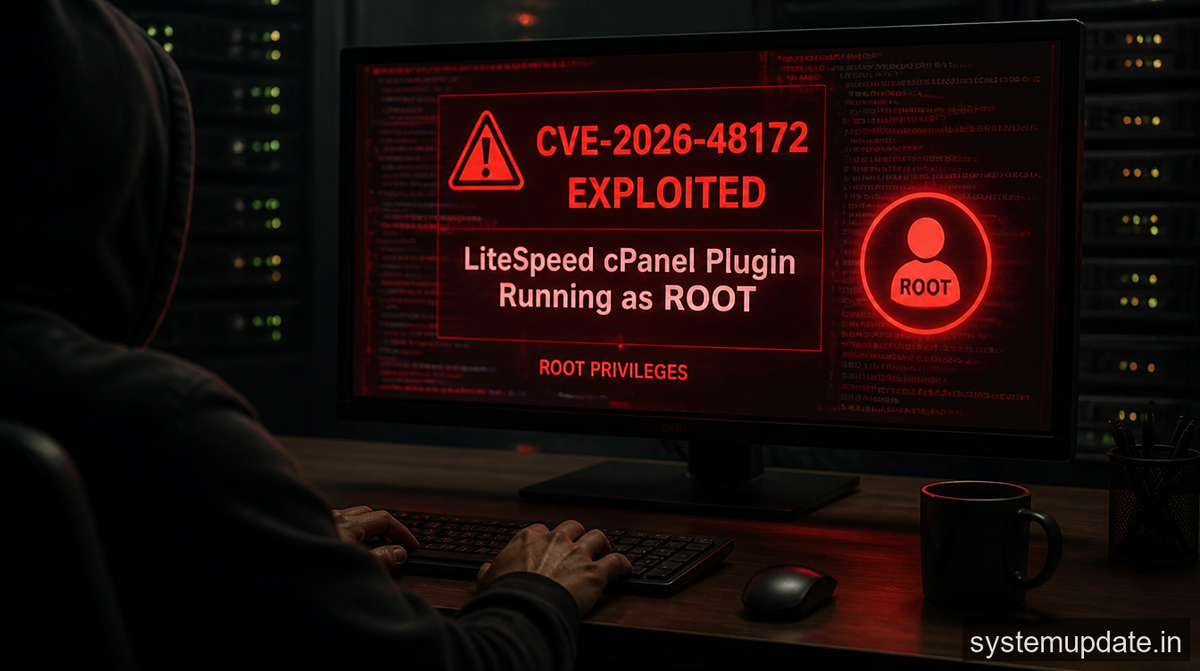
The LiteSpeed cPanel Plugin is a tool that allows users to manage their web servers and hosting accounts through a user-friendly interface. However, the plugin has been found to have a critical vulnerability that allows attackers to run scripts as root, giving them complete control over the server. This is a nightmare scenario for any server administrator, as it means that an attacker could potentially delete files, steal sensitive data, or even take control of the entire server. I’ve seen cases where attackers have used similar vulnerabilities to spread malware, steal user credentials, and even hold servers for ransom.
The vulnerability is particularly concerning because it’s being actively exploited by attackers. I’ve been monitoring the security community, and I’ve seen reports of servers being compromised and used for malicious activities such as spamming, phishing, and even cryptocurrency mining. As someone who’s passionate about security, it’s frustrating to see vulnerabilities like this being exploited, but it also highlights the importance of staying vigilant and taking proactive steps to protect our servers.

How is the LiteSpeed cPanel Plugin CVE-2026-48172 Vulnerability Being Exploited?
From what I’ve gathered, the vulnerability is being exploited through a combination of social engineering and exploit code. Attackers are using phishing emails and other tactics to trick server administrators into installing malicious plugins or executing exploit code on their servers. Once the exploit code is executed, it allows the attacker to run scripts as root, giving them complete control over the server. I’ve seen cases where attackers have used similar tactics to gain access to sensitive data, and it’s a reminder that security is not just about patching vulnerabilities, but also about educating users and staying vigilant.
I’ve also seen reports of attackers using automated tools to scan for vulnerable servers and exploit the vulnerability as soon as possible. This highlights the importance of keeping our servers up to date and patching vulnerabilities as soon as possible. As someone who’s worked with security for years, I can attest that staying ahead of attackers requires constant vigilance and a proactive approach to security.
What Can You Do to Protect Your Servers?
So, what can you do to protect your servers from this vulnerability? First and foremost, it’s essential to update the LiteSpeed cPanel Plugin to the latest version, which includes a patch for the vulnerability. I’ve seen cases where server administrators have delayed updating their plugins, and it’s ended in disaster. Don’t make the same mistake – update your plugin as soon as possible.
In addition to updating the plugin, I also recommend taking a few extra steps to secure your servers. First, make sure you’re using strong passwords and enable two-factor authentication for all users. I’ve seen cases where weak passwords have been used to gain access to servers, and it’s a reminder that password security is still a critical aspect of server security.
You should also limit access to the server to only those who need it, and use a web application firewall (WAF) to filter traffic and block malicious requests. I’ve seen cases where WAFs have blocked exploit code and prevented servers from being compromised, and it’s a reminder that a WAF can be a valuable addition to your security toolkit.
Conclusion and Next Steps
In conclusion, the LiteSpeed cPanel Plugin CVE-2026-48172 vulnerability is a serious issue that requires immediate attention. By updating the plugin, using strong passwords, enabling two-factor authentication, limiting access, and using a WAF, you can protect your servers from this vulnerability and reduce the risk of exploitation.
As someone who’s passionate about security, I want to emphasize that security is an ongoing process, and it requires constant vigilance and proactive steps to protect our servers. I recommend staying informed about the latest security vulnerabilities and taking steps to protect your servers as soon as possible.
Frequently Asked Questions
What is the CVE-2026-48172 vulnerability?
The CVE-2026-48172 vulnerability is a maximum-severity vulnerability that affects the LiteSpeed cPanel Plugin, allowing attackers to run scripts as root and gain complete control over the server.
How is the vulnerability being exploited?
The vulnerability is being exploited through a combination of social engineering and exploit code, with attackers using phishing emails and other tactics to trick server administrators into installing malicious plugins or executing exploit code on their servers.
What can I do to protect my servers?
To protect your servers, you should update the LiteSpeed cPanel Plugin to the latest version, use strong passwords, enable two-factor authentication, limit access to the server, and use a web application firewall (WAF) to filter traffic and block malicious requests.
Are there any other vulnerabilities I should be aware of?
Yes, there are many other vulnerabilities that you should be aware of, including vulnerabilities in other plugins and software. I recommend staying informed about the latest security vulnerabilities and taking steps to protect your servers as soon as possible.
Where can I find more information about the vulnerability?
You can find more information about the vulnerability on the official LiteSpeed website, as well as on security blogs and forums. I recommend staying informed and taking proactive steps to protect your servers.
Final Thoughts
In final thoughts, the LiteSpeed cPanel Plugin CVE-2026-48172 vulnerability is a serious issue that requires immediate attention. By staying informed, taking proactive steps to protect your servers, and using a combination of security measures, you can reduce the risk of exploitation and keep your servers safe. As someone who’s passionate about security, I want to emphasize that security is an ongoing process, and it requires constant vigilance and proactive steps to protect our servers. I hope this article has been helpful in providing you with the information you need to protect your servers from this vulnerability.
