


Intel’s 18A CPUs: What You Need to Know
Intel’s 18A CPUs are the latest generation of central processing units designed for high-performance computing. These CPUs boast improved architecture, increased clock speeds, and enhanced power management. For PC makers, adopting these new CPUs could mean significant improvements in their products’ overall performance and efficiency. However, the report claims that Intel is taking a firm stance on the adoption of these CPUs, essentially giving PC makers an ultimatum: adopt 18A CPUs or lose access to Intel’s supply chain. This could have far-reaching consequences for the industry, as PC manufacturers rely heavily on Intel’s CPUs for their products.
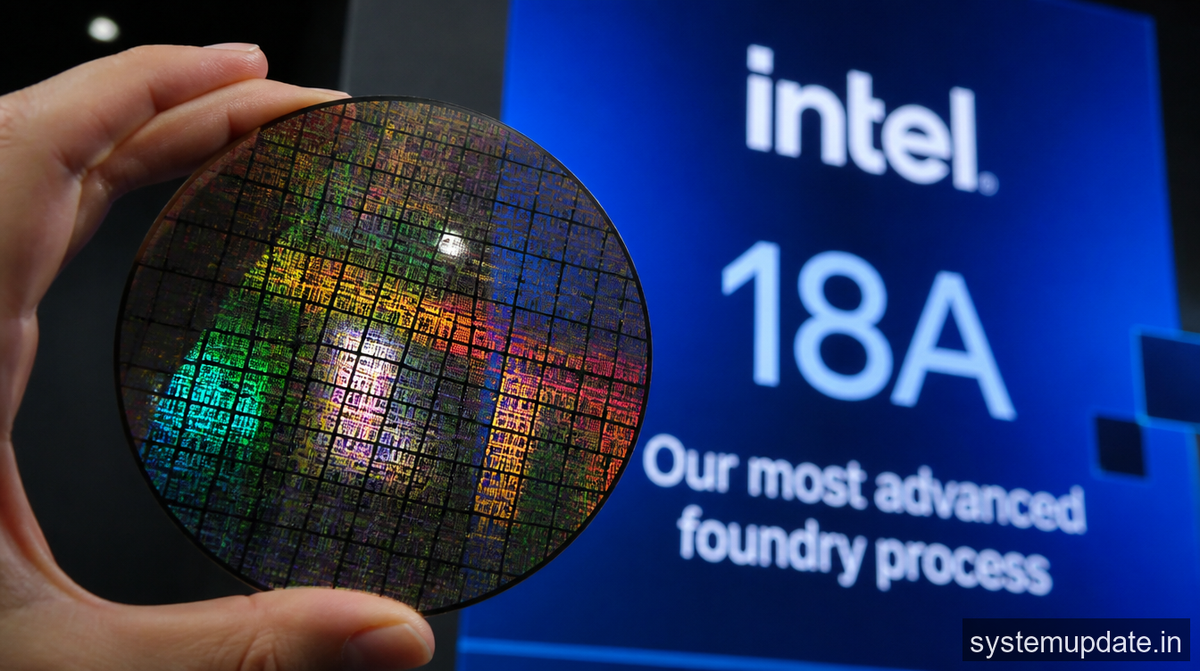
The implications of this report are multifaceted. On one hand, the adoption of 18A CPUs could lead to significant performance improvements for PC users. On the other hand, the potential loss of supply for PC makers who refuse to adopt these CPUs could lead to production delays, increased costs, and a significant disruption to the global tech supply chain. As I consider the potential outcomes, I think it’s essential to examine the motivations behind Intel’s decision. Is this a strategic move to push the industry towards more efficient and powerful CPUs, or is it a tactic to consolidate Intel’s market share?
The Impact on PC Manufacturers
The report’s claims have significant implications for PC manufacturers, who are now faced with the daunting task of deciding whether to adopt Intel’s 18A CPUs or risk losing their supply. This decision is not taken lightly, as it could affect the entire production line and ultimately, the company’s bottom line. I think it’s crucial for PC manufacturers to weigh the pros and cons of adopting 18A CPUs, considering factors such as production costs, performance improvements, and potential market demand. The adoption of 18A CPUs could lead to increased production costs, at least in the short term, as manufacturers would need to invest in new equipment and retool their production lines. However, the long-term benefits of improved performance and efficiency could outweigh these costs.
As I consider the potential consequences for PC manufacturers, I’m reminded of the importance of adaptability in the tech industry. The ability to adapt quickly to changing market conditions, technological advancements, and supplier demands is crucial for survival. PC manufacturers who are able to navigate these challenges effectively will likely emerge stronger and more resilient, while those who fail to adapt may struggle to remain competitive. The report’s claims also raise questions about the potential for alternative CPU suppliers to fill the gap left by Intel. Could this be an opportunity for companies like AMD or ARM to gain market share and challenge Intel’s dominance?
The Future of CPU Production
The report’s claims about Intel’s 18A CPUs have significant implications for the future of CPU production. As the industry continues to evolve, it’s likely that we’ll see a shift towards more efficient and powerful CPUs. The adoption of 18A CPUs could be a significant step in this direction, enabling PC manufacturers to produce more powerful and efficient products. However, the potential consequences of Intel’s ultimatum could also lead to a more fragmented market, with PC manufacturers seeking alternative CPU suppliers. I think it’s essential to consider the potential long-term effects of this report, including the potential for increased competition, innovation, and collaboration in the tech industry.
As I reflect on the report’s claims, I’m struck by the complexity of the issues at play. The tech industry is inherently dynamic, with companies constantly innovating and adapting to changing market conditions. The adoption of 18A CPUs is just one aspect of this larger landscape, and it’s likely that we’ll see significant developments in the coming months and years. One potential outcome could be the emergence of new CPU architectures, designed to challenge Intel’s dominance and provide PC manufacturers with more options. Alternatively, we may see a shift towards more collaborative approaches, with companies working together to develop new CPU technologies and standards.
Conclusion and Next Steps
The report’s claims about Intel’s 18A CPUs have significant implications for the tech industry, and it’s essential to consider the potential consequences for PC manufacturers, CPU production, and the industry as a whole. As I conclude this article, I think it’s crucial to emphasize the importance of adaptability, innovation, and collaboration in the tech industry. PC manufacturers, CPU suppliers, and industry stakeholders must work together to navigate the challenges and opportunities presented by this report. By doing so, we can ensure a more resilient, efficient, and innovative tech industry that benefits consumers and drives economic growth. So, what’s next? I think it’s essential to monitor the situation closely, watching for developments and announcements from Intel, PC manufacturers, and other industry stakeholders. As the situation unfolds, we’ll likely see a more nuanced understanding of the report’s claims and the potential consequences for the industry.
Frequently Asked Questions
What are Intel’s 18A CPUs?
Intel’s 18A CPUs are the latest generation of central processing units designed for high-performance computing. These CPUs boast improved architecture, increased clock speeds, and enhanced power management.
Why is Intel telling PC makers to adopt 18A CPUs?
According to the report, Intel is taking a firm stance on the adoption of 18A CPUs, essentially giving PC makers an ultimatum: adopt 18A CPUs or lose access to Intel’s supply chain.
What are the potential consequences for PC manufacturers?
The potential consequences for PC manufacturers are significant, including production delays, increased costs, and a disruption to the global tech supply chain. However, the adoption of 18A CPUs could also lead to significant performance improvements and increased efficiency.
Can PC manufacturers refuse to adopt 18A CPUs?
Yes, PC manufacturers can refuse to adopt 18A CPUs, but this could result in the loss of access to Intel’s supply chain. This could lead to significant challenges, including finding alternative CPU suppliers and adapting production lines.
What does this mean for the future of CPU production?
The report’s claims have significant implications for the future of CPU production, including the potential for increased competition, innovation, and collaboration in the tech industry. As the industry continues to evolve, we’re likely to see a shift towards more efficient and powerful CPUs, with companies like Intel, AMD, and ARM playing a significant role in shaping the future of CPU production.
