


Google doesn’t announce every documentation update. The refresh on source.android.com landed quietly in 2026, no blog post, no press release. But if you’re a developer, work at an Indian OEM building on AOSP, or just follow Android obsessively, there’s enough here to pay attention to.
What the documentation refresh is actually signaling
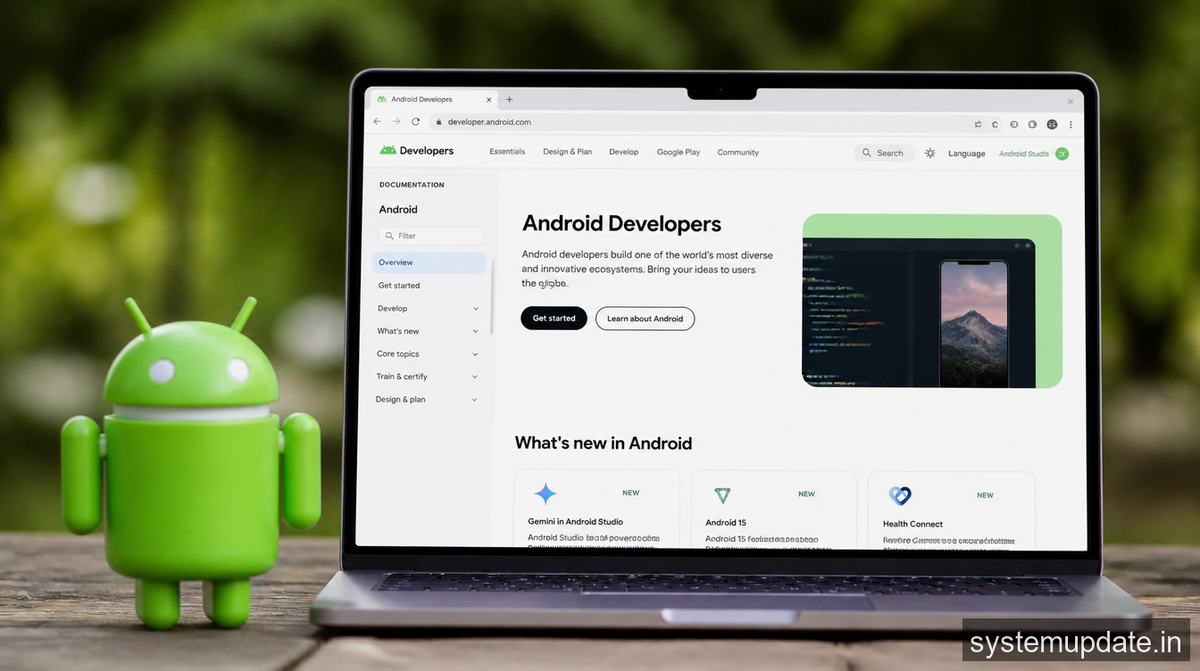
When Google updates source.android.com, it’s rarely cosmetic. The site ties directly to the Android Open Source Project, which is the actual codebase that OEMs pull from to build their software. A refresh there usually means APIs got added or modified, or a new Android version is being quietly prepped.
The 2026 update looks like the latter. Google ran this same pattern before Android 14 and before Android 15. AOSP docs updated, preview builds showed up a few months later, full release followed. The quiet documentation update is basically the first domino.
The areas touched include camera HAL (Hardware Abstraction Layer) specs, bootloader documentation, and changes to how Android handles background process limits. Each of these matters differently depending on whether you’re building devices, building apps, or just using them.
What actually changed under the hood
Camera HAL is the layer sitting between the Android camera framework and the actual camera hardware on a device. When Google revises this documentation, OEMs have to go back and check their camera driver implementations. If you’ve ever had a camera feel slightly off after a major Android update, this layer is usually involved.
The background process limit changes are the most app-developer-relevant thing here. Android has been tightening background resource access since Android 8, and the 2026 docs push this further. Background apps get less to work with, so anything doing background sync, location polling, or periodic data tasks needs a closer look at how it’s structured.
Bootloader documentation changes are usually about security tightening. Google updates the Compatibility Definition Document periodically, and bootloader specs feed directly into what OEMs need to do to pass certification. A revision here means some manufacturers will need to update how their devices boot before they can ship Google-certified hardware, which is a real cost in time and engineering.
Why Indian OEMs should be watching this closely
Micromax and Lava are the two Indian brands most directly in the path of AOSP changes. Unlike Samsung, which has a large software org and can absorb platform shifts quickly, smaller Indian OEMs work with tighter engineering teams and longer adaptation cycles. When a camera HAL spec changes and requires driver rewrites, that’s months of work, not weeks.
Lava has been serious about software commitments lately. Their Agni series promised 3 years of updates, which is a meaningful statement for a brand competing in the ₹10,000-15,000 range. Honoring that promise requires pulling AOSP changes cleanly and fast. Documentation updates like this one create real churn in that pipeline, and the teams building those updates don’t always have spare capacity sitting around.
itel and Tecno, which move serious volume in tier-2 and tier-3 Indian cities through their parent company Transsion Holdings, face the same pressures. These brands are running lean on software staffing relative to the device counts they ship. A bootloader spec revision that requires hardware-level changes in upcoming models affects pricing decisions and release timelines across their entire portfolio.
The certification angle is probably the least visible issue for consumers but the most expensive for OEMs. If new CDD requirements mean something has to change in hardware design for future models, Indian brands can’t absorb that quietly. It shows up in price points.
What app developers should actually do
The background process limit changes are the most immediate thing. If your app uses WorkManager for background jobs, verify you’re on a current version of the library. Google has been deprecating older constraint APIs quietly, and apps that look fine today can break when a device updates to the new platform version.
For apps targeting Indian users, there’s a layering problem worth thinking about. A big portion of Android users in India are on devices that receive platform updates 12 to 18 months after release. So you’re writing code that needs to behave correctly across multiple platform versions simultaneously. The 2026 documentation adds a new version at the top of that range, which widens the test surface you need to cover.
Camera API changes matter for any app using Camera2 or CameraX. CameraX users are largely covered because Google maintains that library and handles HAL changes internally. If you’re writing directly against Camera2, review the updated specs and plan to test on reference hardware when preview devices become available. Catching issues in preview beats shipping a broken camera experience to users running stock devices.
For apps relying on persistent background connections, like live messaging or apps doing real-time data sync, start thinking now about adaptation. The direction from Google has been consistent across multiple Android versions: background resources go down, foreground services become the right answer for anything that genuinely needs to run. The 2026 docs continue that trajectory without reversal.
What power users can take from this
Most power users won’t feel documentation changes directly. They live upstream from what ships on consumer devices. But the downstream effects land eventually.
The tightening background process limits will reach your phone when your OEM ships the new platform version. If you run a lot of background apps or use sync-heavy tools, some of those behaviors will change in ways that aren’t announced anywhere. Google’s direction has been clear: fewer background resources, more push to foreground services, tighter battery controls. Knowing that in advance helps you understand what you’re looking at when app behavior shifts after an update.
Custom ROM users should watch this closely. Projects like LineageOS and GrapheneOS pull from AOSP directly, and platform-level changes land in their builds faster than on most stock OEM devices. If you’re on a custom ROM, you might see these changes before someone on a standard Lava or Micromax device does.
One thing I’ve noticed with background limit changes from past Android versions: they break apps that users forgot were even running silently. If something stops syncing or feels sluggish after a ROM update, the background limits are almost always the culprit. Worth filing that away so you’re not confused when it happens.
Frequently Asked Questions
What is source.android.com and why does it matter?
source.android.com is Google’s official documentation hub for the Android Open Source Project. OEMs, developers, and custom ROM builders use it to understand how Android works at the system level. Changes there tell you what’s coming in future platform versions before consumer devices get it.
Does this documentation update confirm Android 16 is coming in 2026?
Probably, yes. Google has updated AOSP documentation ahead of every major Android release for several years running. The pattern here matches what happened before Android 14 and Android 15, which puts a late 2026 release timeline in reasonable range.
Which Indian phone brands are most affected by AOSP documentation changes?
Brands building directly on AOSP without deep custom software layers take the most heat. Micromax, Lava, itel, and Tecno are the main ones in India. Samsung and OnePlus have larger engineering teams and absorb these changes faster, though they’re not immune to certification requirement shifts.
Will these changes improve battery life on Android devices?
Generally yes. Tighter background process limits reduce how much work apps can do while your screen is off, which means less battery drain. The tradeoff is that some apps feel slower to load because they couldn’t prefetch or sync while idle.
Do I need to update my Android app immediately because of this?
No emergency update needed right now. But verify your WorkManager depen
dency is current, review your background task logic, and build a test plan for when Android preview builds become available. Getting ahead of it by a couple of months is significantly easier than reacting when devices start shipping with the new version.
Final thoughts
Go to source.android.com and read the sections relevant to your stack. App developer, start with the background process limits. OEM, your platform team needs to know this documentation is live now.
Article written by Harsh Mahilang at System Update India.
