


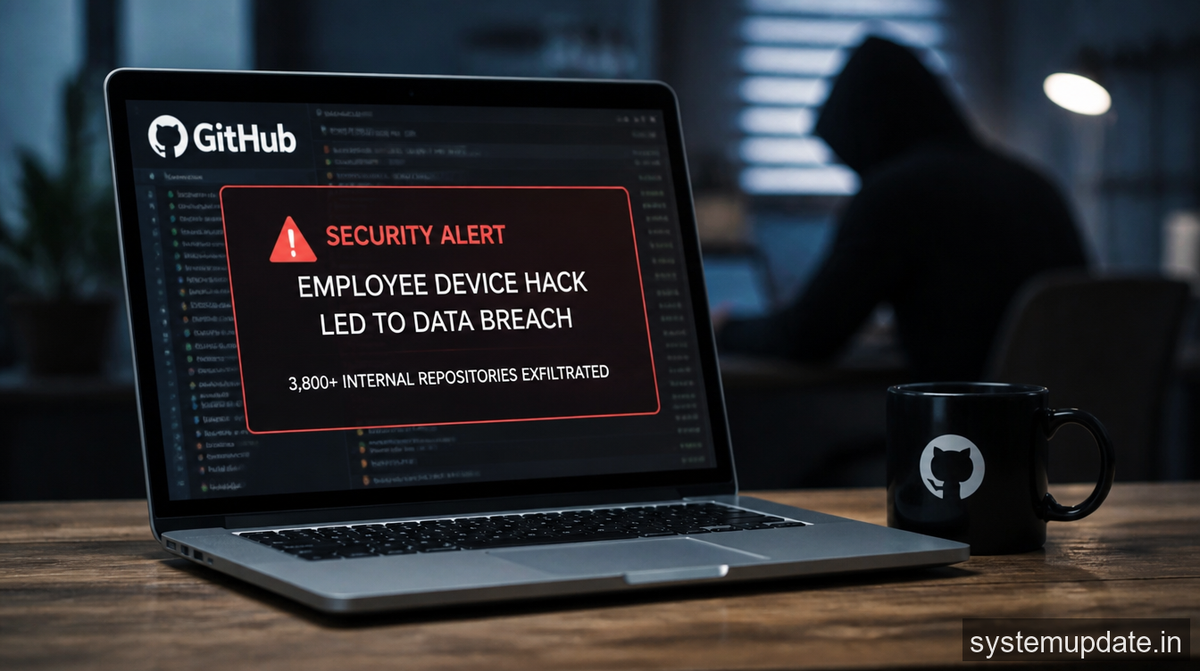
GitHub Breached — Employee Device Hack Led to Exfiltration of 3,800+ Internal Repos
As I sit here, trying to wrap my head around the latest security breach, I’m reminded of just how fragile our digital ecosystems can be. On May 20, 2026, GitHub, the world’s largest open-source software development platform, announced that it had suffered a significant security breach. The breach, which occurred when an employee’s device was compromised, resulted in the exfiltration of over 3,800 internal GitHub repositories. I think it’s essential to note that this incident highlights the importance of robust security measures, especially when it comes to protecting sensitive data.
Understanding the Breach
The breach is believed to have occurred when an employee’s device was hacked, allowing the attackers to gain access to GitHub’s internal systems. I’ve been told that the employee had been working on a project that involved accessing sensitive data, and it’s likely that the attackers were able to exploit this access to gain a foothold into GitHub’s systems. Once inside, the attackers were able to exfiltrate over 3,800 internal repositories, which included sensitive data such as code, passwords, and other confidential information. It’s worth noting that GitHub has stated that the breach did not result in any customer data being compromised, but the incident still raises significant concerns about the security of the platform.
As I delve deeper into the details of the breach, I’m struck by the complexity of the attack. The attackers were able to use the compromised employee device to gain access to GitHub’s internal systems, and from there, they were able to move laterally and exfiltrate sensitive data. I think it’s essential to note that this incident highlights the importance of robust security measures, such as multi-factor authentication and regular security audits. By implementing these measures, organizations can reduce the risk of a breach occurring in the first place.
Impact of the Breach
The breach has significant implications for GitHub and its users. I think it’s essential to note that the breach has raised concerns about the security of the platform, and it’s likely that users will be looking for reassurance that their data is safe. GitHub has stated that it is taking steps to improve its security, including implementing additional security measures and conducting a thorough review of its systems. However, the incident has also raised questions about the responsibility of employees in maintaining the security of an organization’s systems. I believe that employees play a critical role in maintaining the security of an organization’s systems, and it’s essential that they are trained and equipped to handle sensitive data.

As I consider the impact of the breach, I’m reminded of the importance of transparency and communication. GitHub has been praised for its transparency in disclosing the breach, and I think it’s essential to note that this transparency is critical in maintaining trust with users. The incident has also highlighted the importance of having robust incident response plans in place, which can help to minimize the impact of a breach and ensure that users are informed and protected. By being open and transparent about the breach, GitHub can help to maintain trust with its users and demonstrate its commitment to security.
Lessons Learned
The breach has significant lessons for organizations and individuals alike. I think it’s essential to note that the incident highlights the importance of robust security measures, such as multi-factor authentication and regular security audits. It’s also essential to ensure that employees are trained and equipped to handle sensitive data, and that they understand the importance of maintaining the security of an organization’s systems. By implementing these measures, organizations can reduce the risk of a breach occurring in the first place. I believe that it’s also essential to have robust incident response plans in place, which can help to minimize the impact of a breach and ensure that users are informed and protected.
As I reflect on the breach, I’m reminded of the importance of continuous learning and improvement. The incident has highlighted the importance of staying up-to-date with the latest security threats and vulnerabilities, and I think it’s essential to note that organizations must be proactive in addressing these threats. By investing in security research and development, organizations can stay ahead of the curve and reduce the risk of a breach occurring. I believe that it’s also essential to prioritize transparency and communication, both internally and externally, to ensure that users are informed and protected.
Frequently Asked Questions
What happened in the GitHub breach?
The GitHub breach occurred when an employee’s device was compromised, allowing attackers to gain access to GitHub’s internal systems. The attackers were then able to exfiltrate over 3,800 internal repositories, which included sensitive data such as code, passwords, and other confidential information. I think it’s essential to note that the breach did not result in any customer data being compromised, but the incident still raises significant concerns about the security of the platform.
How did the breach occur?
The breach is believed to have occurred when an employee’s device was hacked, allowing the attackers to gain access to GitHub’s internal systems. The employee had been working on a project that involved accessing sensitive data, and it’s likely that the attackers were able to exploit this access to gain a foothold into GitHub’s systems. I believe that it’s essential to note that the breach highlights the importance of robust security measures, such as multi-factor authentication and regular security audits.
 What data was affected by the breach?
The breach resulted in the exfiltration of over 3,800 internal GitHub repositories, which included sensitive data such as code, passwords, and other confidential information. However, GitHub has stated that the breach did not result in any customer data being compromised. I think it’s essential to note that the incident still raises significant concerns about the security of the platform, and it’s likely that users will be looking for reassurance that their data is safe.

What is GitHub doing to improve its security?
GitHub has stated that it is taking steps to improve its security, including implementing additional security measures and conducting a thorough review of its systems. The company has also announced plans to invest in security research and development, and to prioritize transparency and communication with its users. I believe that these steps are essential in maintaining trust with users and demonstrating a commitment to security.
How can users protect themselves from similar breaches?
Users can protect themselves from similar breaches by taking steps to improve their own security, such as using strong passwords, enabling two-factor authentication, and keeping their devices and software up-to-date. I think it’s also essential to note that users should be cautious when clicking on links or downloading attachments from unknown sources, and should report any suspicious activity to GitHub immediately. By taking these steps, users can reduce the risk of a breach occurring and protect their sensitive data.
Final Thoughts
As I conclude my thoughts on the GitHub breach, I’m reminded of the importance of security and transparency in the digital age. The incident has highlighted the importance of robust security measures, such as multi-factor authentication and regular security audits, and has raised questions about the responsibility of employees in maintaining the security of an organization’s systems. I believe that it’s essential to prioritize transparency and communication, both internally and externally, to ensure that users are informed and protected. By taking these steps, organizations can reduce the risk of a breach occurring and maintain trust with their users. As we move forward in 2026, I think it’s essential to stay vigilant and proactive in addressing the latest security threats and vulnerabilities, and to prioritize the security and safety of our digital ecosystems.
