



Microsoft Releases Mitigation for YellowKey BitLocker Bypass CVE-2026-45585 Exploit
As I’m writing this in May 2026, Microsoft has just released a critical mitigation for the YellowKey BitLocker bypass exploit, identified as CVE-2026-45585. This vulnerability has been making waves in the security community, and I’m here to break down what it means for you and your organization. The YellowKey exploit allows attackers to bypass BitLocker encryption on Windows devices, potentially exposing sensitive data. Microsoft’s mitigation is a welcome relief, but it’s essential to understand the context and implications.
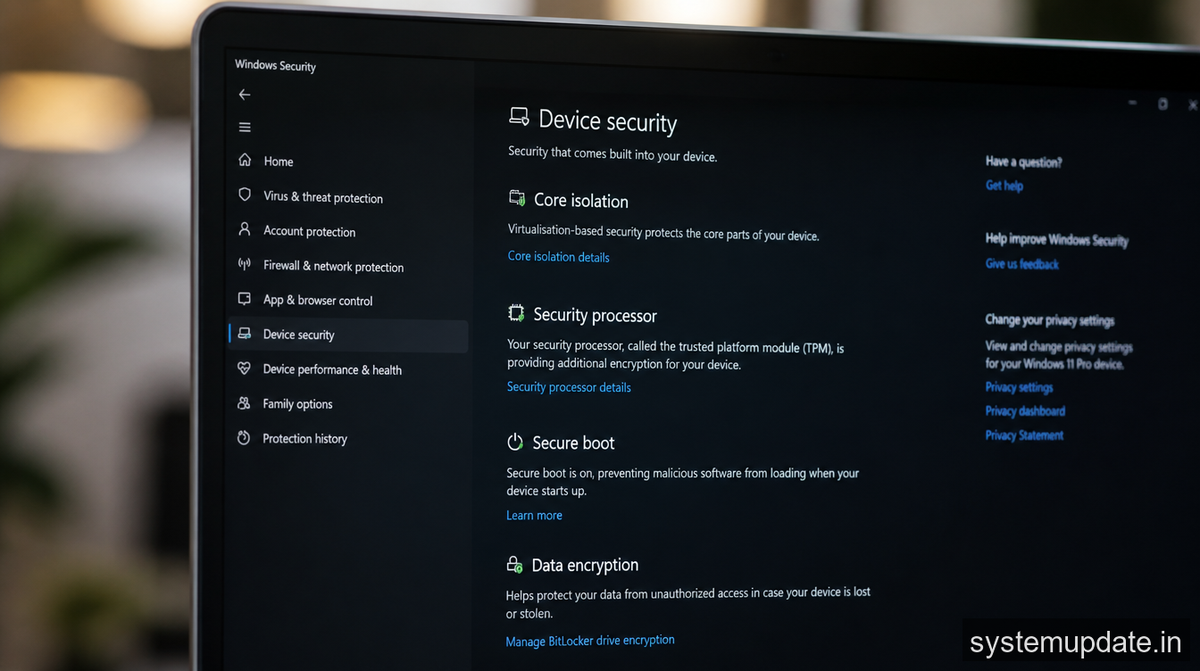
The YellowKey exploit is a significant concern because it targets the BitLocker full-disk encryption feature in Windows. BitLocker is designed to protect data by encrypting the entire disk, making it inaccessible to unauthorized users. However, the YellowKey exploit uses a vulnerability in the BitLocker protocol to bypass the encryption, allowing attackers to access the data without the need for a password or encryption key. This exploit is particularly concerning because it can be used to gain unauthorized access to sensitive data, including personal and financial information.
Microsoft’s mitigation for the YellowKey exploit involves updating the BitLocker protocol to prevent the bypass. The update is available for all supported versions of Windows, including Windows 10 and Windows 11. I recommend applying the update as soon as possible to ensure your devices are protected. Additionally, it’s essential to use strong passwords and enable two-factor authentication to add an extra layer of security. As I delve into the details of the mitigation, I want to emphasize that security is an ongoing process, and staying informed about the latest threats and updates is crucial.
Understanding the YellowKey Exploit
The YellowKey exploit is a type of attack that targets the BitLocker full-disk encryption feature in Windows. It works by exploiting a vulnerability in the BitLocker protocol, allowing attackers to bypass the encryption and access the data without authorization. The exploit is particularly concerning because it can be used to gain access to sensitive data, including personal and financial information. I think it’s essential to understand the mechanics of the exploit to appreciate the significance of Microsoft’s mitigation.
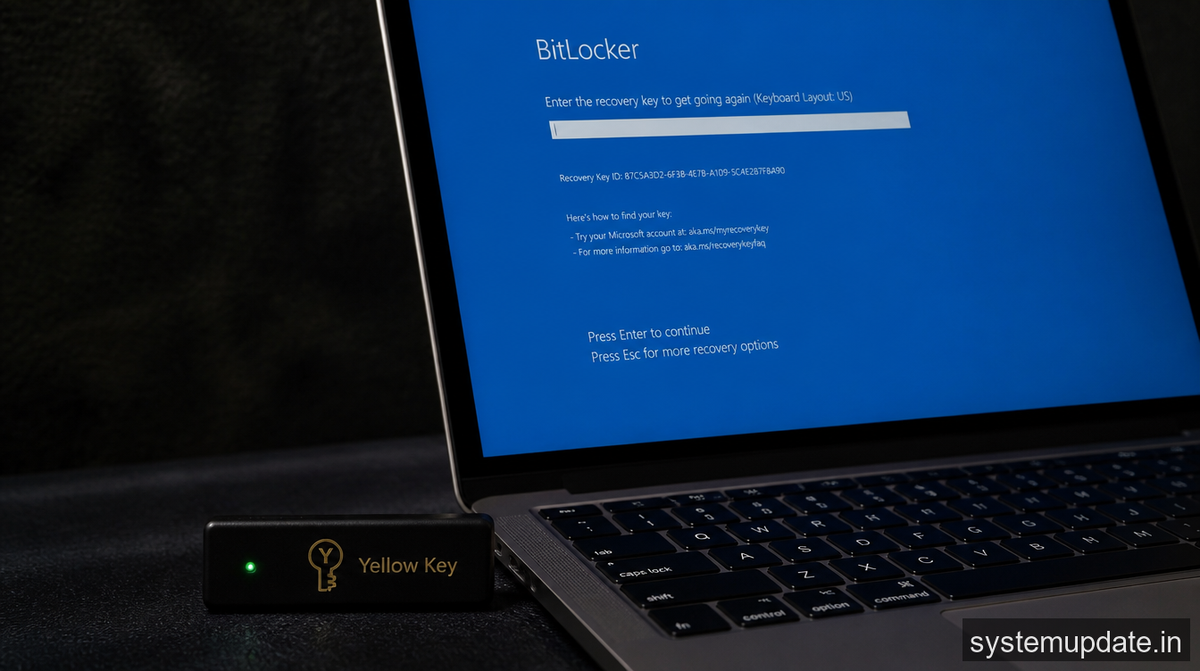
The YellowKey exploit uses a combination of social engineering and technical exploits to bypass the BitLocker encryption. The attacker first gains access to the target device, often through phishing or other social engineering tactics. Once they have access, they use the YellowKey exploit to bypass the BitLocker encryption, allowing them to access the data without the need for a password or encryption key. The exploit is relatively sophisticated, requiring a deep understanding of the BitLocker protocol and the underlying Windows architecture. However, with the right tools and expertise, attackers can use the YellowKey exploit to gain unauthorized access to sensitive data.
Microsoft’s mitigation for the YellowKey exploit involves updating the BitLocker protocol to prevent the bypass. The update is designed to fix the underlying vulnerability that allows the exploit to work. By applying the update, users can ensure that their devices are protected against the YellowKey exploit. I recommend checking the official Microsoft website for the latest updates and applying them as soon as possible. Additionally, it’s essential to use strong passwords and enable two-factor authentication to add an extra layer of security. So, what can you do to protect yourself against the YellowKey exploit?
Mitigating the YellowKey Exploit
To mitigate the YellowKey exploit, it’s essential to apply the latest updates from Microsoft. The update is available for all supported versions of Windows, including Windows 10 and Windows 11. I recommend checking the official Microsoft website for the latest updates and applying them as soon as possible. Additionally, it’s essential to use strong passwords and enable two-factor authentication to add an extra layer of security. By taking these steps, you can significantly reduce the risk of the YellowKey exploit and protect your sensitive data.
The mitigation process involves several steps, including updating the BitLocker protocol, enabling two-factor authentication, and using strong passwords. It’s also essential to educate users about the risks of social engineering and the importance of using strong passwords. By taking a multi-layered approach to security, you can protect your devices and data against the YellowKey exploit and other types of attacks. And, as I always say, security is an ongoing process, and staying informed about the latest threats and updates is crucial.
Microsoft’s mitigation for the YellowKey exploit is a significant step forward in protecting Windows devices against this type of attack. However, it’s essential to remember that security is an ongoing process, and staying informed about the latest threats and updates is crucial. By applying the latest updates, using strong passwords, and enabling two-factor authentication, you can significantly reduce the risk of the YellowKey exploit and protect your sensitive data. But, what about other types of attacks that can bypass BitLocker encryption?
Protecting Against Other Types of Attacks
While the YellowKey exploit is a significant concern, it’s not the only type of attack that can bypass BitLocker encryption. Other types of attacks, such as malware and ransomware, can also compromise the security of your devices and data. To protect against these types of attacks, it’s essential to use a multi-layered approach to security. This includes applying the latest updates, using strong passwords, enabling two-factor authentication, and using antivirus software to detect and prevent malware and other types of attacks.
I think it’s essential to stay informed about the latest threats and updates to ensure you’re protected against all types of attacks. By taking a proactive approach to security, you can significantly reduce the risk of the YellowKey exploit and other types of attacks. And, as I always say, security is an ongoing process, and staying informed is crucial. So, what can you do to stay informed and protect yourself against the latest threats?

Frequently Asked Questions
What is the YellowKey exploit?
The YellowKey exploit is a type of attack that targets the BitLocker full-disk encryption feature in Windows, allowing attackers to bypass the encryption and access sensitive data without authorization.
How can I protect myself against the YellowKey exploit?
To protect yourself against the YellowKey exploit, apply the latest updates from Microsoft, use strong passwords, and enable two-factor authentication.
Is the YellowKey exploit a significant concern?
Yes, the YellowKey exploit is a significant concern because it can be used to gain unauthorized access to sensitive data, including personal and financial information.
Can I use other types of encryption to protect my data?
Yes, you can use other types of encryption, such as file-level encryption, to protect your data. However, it’s essential to use a multi-layered approach to security to ensure you’re protected against all types of attacks.
How often should I update my Windows device?
You should update your Windows device regularly to ensure you have the latest security patches and updates. I recommend checking the official Microsoft website for the latest updates and applying them as soon as possible.
Final Thoughts
In conclusion, the YellowKey exploit is a significant concern that can be used to bypass BitLocker encryption and gain unauthorized access to sensitive data. Microsoft’s mitigation for the exploit is a welcome relief, but it’s essential to remember that security is an ongoing process, and staying informed about the latest threats and updates is crucial. By applying the latest updates, using strong passwords, and enabling two-factor authentication, you can significantly reduce the risk of the YellowKey exploit and protect your sensitive data. I recommend staying informed about the latest threats and updates to ensure you’re protected against all types of attacks. So, take the necessary steps to protect yourself against the YellowKey exploit and other types of attacks, and stay safe online.
