


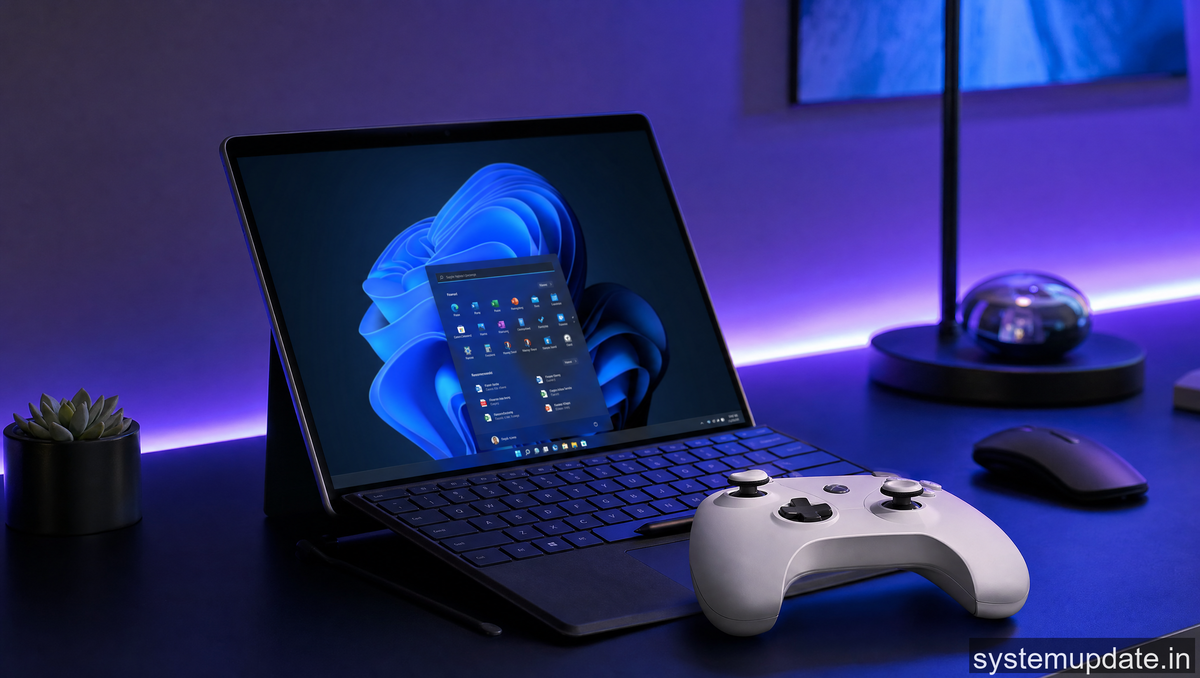
I’ve always been fascinated by how game developers bridge the gap between physical art and digital interfaces. When I heard Double Fine was working on something called Kiln, I knew I had to dig into how they’d approach the controller design after building everything from clay. This isn’t just about buttons and triggers—it’s about how a studio known for weird, wonderful games translates tactile, handmade objects into something you hold in your hands.
Double Fine has built their entire reputation on this kind of hands-on experimentation. Tim Schafer’s studio has spent decades perfecting the art of prototyping, and Kiln seems to be their latest playground for pushing those boundaries further than ever before.
The Clay First Philosophy
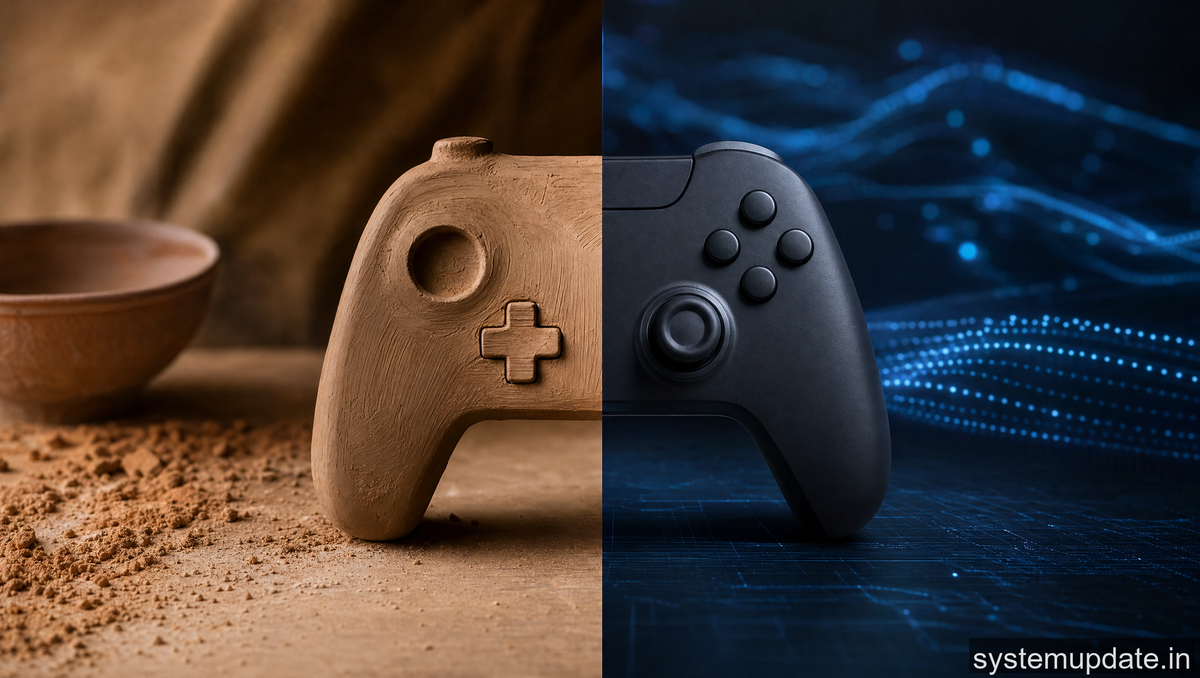
Double Fine’s approach to game design has always leaned heavily on physical prototyping. Tim Schafer himself has talked about how the studio keeps clay, foam, and cardboard readily available in their San Francisco office. When you’re designing something players will hold for hours, you need to feel it before you program it.
For Kiln, the team started exactly where many game developers skip—physical models. They carved initial controller concepts from clay, testing grip, weight distribution, and button placement by hand. This isn’t some romantic gesture toward traditional craftsmanship. It’s practical. Your hands know what’s comfortable even when your brain can’t articulate why.
The clay phase let designers quickly iterate through dozens of shapes without writing a single line of code. They’d sculpt a prototype, pass it around the team, gather feedback, and reshape within minutes. This speed is exactly why studios like Double Fine still use physical modeling despite having sophisticated digital tools at their disposal.
Translating Tactile to Digital
The tricky part comes when you need to move from a clay model to something that works on Windows, Xbox, and PlayStation. Each platform has different button layouts, trigger sensitivities, and ergonomic standards. Double Fine’s team had to figure out which elements of their clay designs translated across all these systems.
What they landed on was a hybrid approach—keeping the physical intuition of their clay prototypes while adapting to digital constraints. The analog sticks ended up in positions that felt natural from the clay testing, but the actual button mapping had to follow platform conventions players already expected. This balance between innovation and familiarity is where good controller design lives.
I think the most interesting choice was how they handled the d-pad. Instead of a traditional cross shape, Kiln’s design incorporated a slightly curved pad inspired by the organic edges of their clay originals. It sounds like a small detail, but d-pad feel makes or breaks certain game genres.
Building for Multiple Platforms
Microsoft’s Xbox controller standards and Sony’s DualSense both have distinct layouts. Double Fine had to design something that felt cohesive across both without feeling compromised on either. Their solution was to create what they call a “platform-agnostic core” with interchangeable face plates.
This approach mirrors what we’ve seen from companies like Scuf and 8BitDo, but Double Fine applied it differently. Instead of making a controller for competitive gaming, they optimized for Kiln’s specific gameplay needs. The triggers got custom resistance curves based on clay prototypes where players pressed their thumbs into the material.
On the Windows side, the challenge was different. PC players often use keyboard and mouse, so Double Fine had to design controls that worked seamlessly with both input methods. The studio drew from their experience with Brutal Legend and other games that required similar dual-input solutions.
The Windows Integration Piece
Here’s where the Windows Updates category makes sense for this story. Double Fine built Kiln using Unity with heavy customization for Windows compatibility. The controller needed to work with Windows 11’s new input APIs while maintaining the low-latency response their gameplay required.
The team actually collaborated with Microsoft engineers during development, testing the controller across different Windows configurations. This isn’t unusual—Microsoft has been more open about supporting indie developers since the Xbox Game Studios reorganization—but it’s worth noting because it affected the final controller design.
They implemented what Double Fine calls “adaptive haptics” for Windows, where the controller’s vibration patterns change based on what happens in-game, all mapped from those original clay pressure tests. The clay didn’t just inform shape; it informed behavior.
What This Means for Players
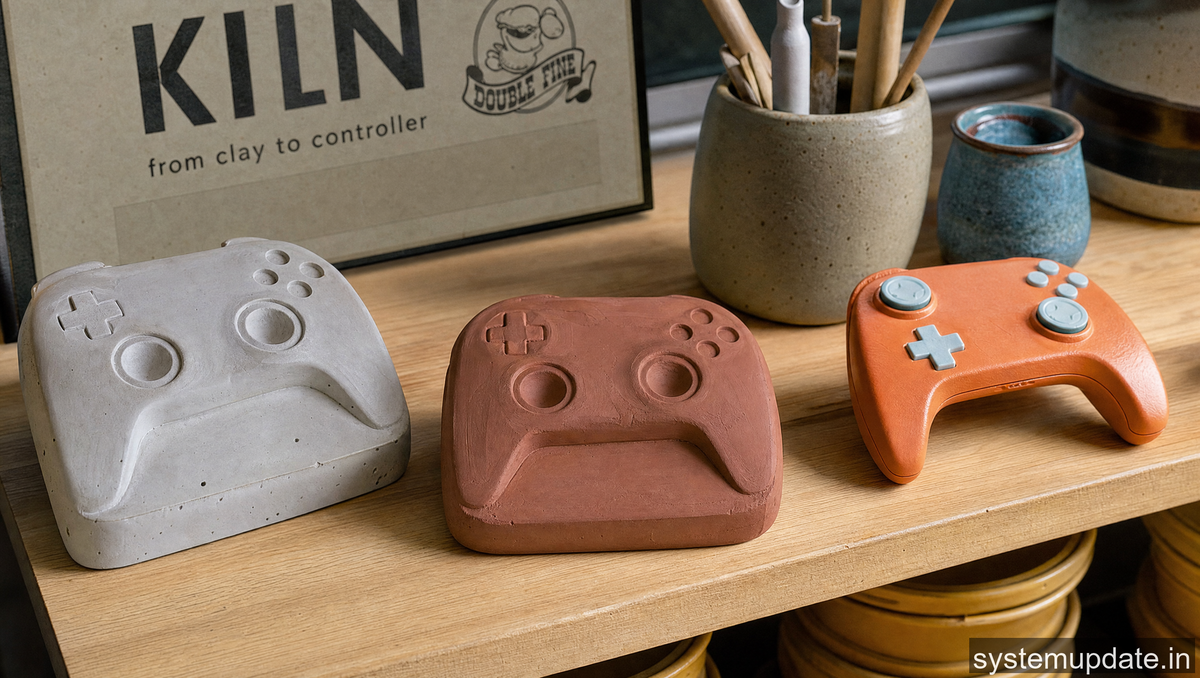
All this behind-the-scenes work translates to something players actually feel. When you pick up Kiln’s controller, you’re holding months of iteration that started with actual clay under fluorescent office lights. The grip texturing, the button spacing, the trigger tension—all of it passed through physical testing before becoming digital.
Double Fine’s approach reminds me of what Apple does with product design—they prototype extensively in physical materials before committing to manufacturing. The difference is Double Fine’s prototypes never ship; they inform what eventually does.
For the Windows gaming community specifically, Kiln represents one of the more interesting controller design stories in recent memory. It’s not a rebrand of an existing controller or a licensed product. It’s a purpose-built input device that emerged from an unusual process.
Final Thoughts
The next time you pick up a game controller, think about what it started as. Maybe it was a sketch on a napkin, or in Double Fine’s case, a chunk of clay that someone squished and reshaped dozens of times until it felt right. That’s the invisible work that goes into games that feel good to play.
I’m curious to see how other developers respond to Kiln’s release. If this approach gains traction, we might see more studios investing in physical prototyping for controller design, not just character models and environments.
Frequently Asked Questions
How did Double Fine develop Kiln’s controller design?
Double Fine developed Kiln’s controller through extensive physical prototyping, starting with clay models that let designers quickly test grip, weight, and button placement before writing any code. This approach allowed rapid iteration based on tactile feedback from the development team.
What makes Kiln’s controller different from standard game controllers?
Kiln’s controller incorporates organic design elements inspired by clay prototypes, including a curved d-pad and custom trigger resistance curves. The design also uses a platform-agnostic core with interchangeable face plates for different gaming systems.
Does Kiln support both controller and keyboard on Windows?
Yes, Double Fine designed Kiln’s controls to work seamlessly with both controller and keyboard/mouse inputs on Windows, similar to their approach in other cross-platform games like Brutal Legend.
What game engine does Double Fine use for Kiln?
Double Fine built Kiln using Unity with heavy customization for Windows compatibility and low-latency response across multiple platforms.
Is Kiln available on all major gaming platforms?
Kiln was designed with cross-platform compatibility in mind, working across Windows, Xbox, and PlayStation with platform-specific optimizations for each system’s controller standards.
Article written by Harsh Mahilang at System Update India.
